


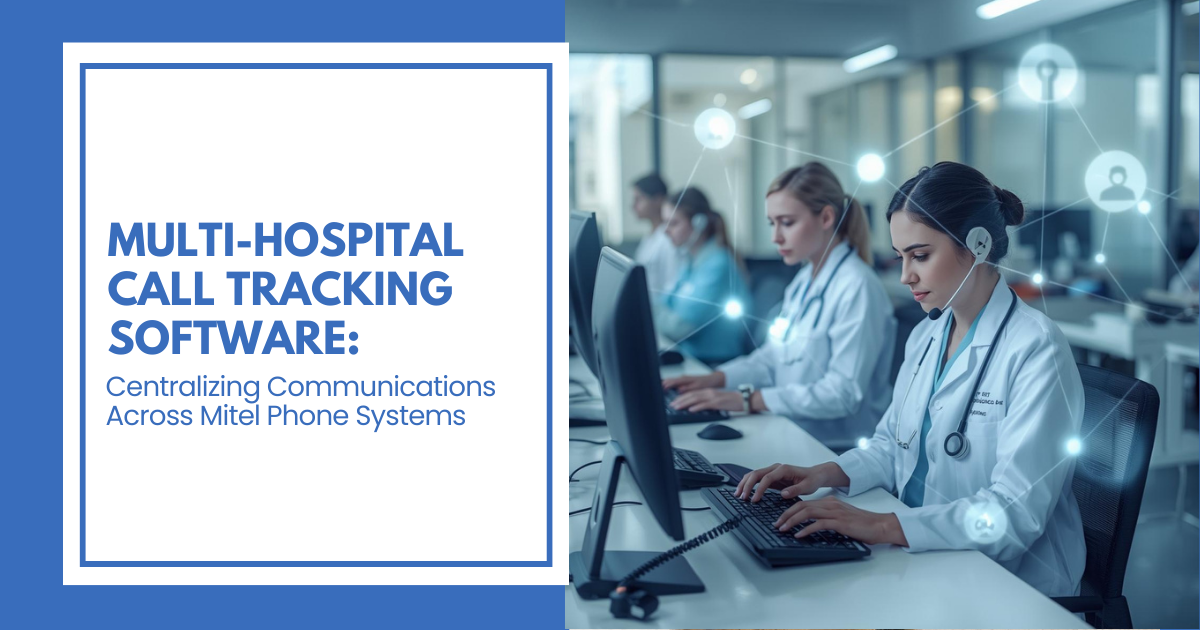
Managing communications across a single hospital is complex. Managing them across multiple hospitals, clinics, and care facilities is something else entirely.Healthcare networks running on a Mitel PBX phone system already rely on dependable voice infrastructure. Calls get through, extensions work, and clinical teams stay connected. But as hospital groups grow, leadership teams often hit a familiar challenge: while calls are happening everywhere, there is no unified way to see, measure, or understand them.That is where multi-hospital call tracking software plays a critical role.Instead of treating each hospital as an isolated environment, centralized call reporting software brings communications together into a single, structured view, giving healthcare leaders the visibility they need to support staff productivity, patient access, and operational accountability. Instead of replacing phone systems, call tracking software enhances them by providing:Modern call tracking platforms designed for healthcare support:
Why Call Visibility Matters in Multi-Hospital Healthcare Networks
In a distributed healthcare environment, phone calls are not just conversations. They are appointment requests, nurse escalations, emergency coordination, and patient follow-ups.Without centralized call detail reporting software, hospitals often struggle with:- No consistent view of inbound and outbound call volumes across locations
- Limited insight into call answer times and peak demand periods
- Difficulty comparing performance between hospitals or departments
- Manual reporting that consumes valuable admin time
The Role of Call Tracking Software in Mitel Environments
A Mitel PBX phone system does an excellent job of handling voice traffic. Where it falls short for many healthcare groups is advanced reporting and multi-site visibility.A cloud based call management system designed for Mitel environments works alongside existing infrastructure, collecting call data and transforming it into structured, usable insights.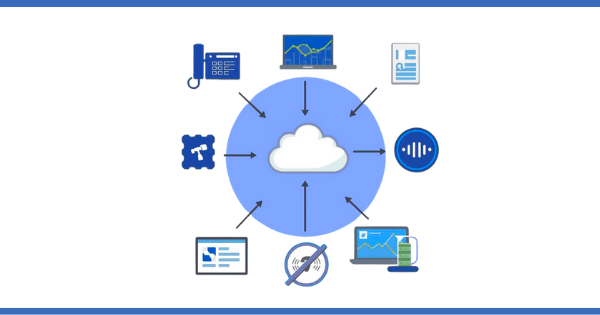 Instead of replacing phone systems, call tracking software enhances them by providing:
- Centralized dashboards across hospitals and clinics
- Standardized metrics for all sites
- Close to real-time visibility into call activity
- Historical reporting for audits, planning, and reviews
Centralizing Communications Across Multiple Hospitals
One of the biggest advantages of multi-hospital call tracking software is consolidation.Rather than logging into separate systems for each location, administrators and managers can access a single reporting environment that covers the entire healthcare network.This centralized model supports:- Cross-hospital comparison of call volumes and answer times
- Consistent reporting standards across departments
- Easier identification of bottlenecks or under-resourced sites
- Faster access to data for leadership and compliance teams
Supporting Staff Productivity Without Adding Complexity
Healthcare teams are under constant pressure to do more with less. While voice platforms support communication, productivity improvements often come from better insight, not more tools.Call reporting software helps organizations understand:- When call demand is highest
- Which departments handle the most calls
- How long callers wait before speaking to staff
- Where staffing levels may not match demand
Improving Care Coordination Through Reliable Reporting
Reliable voice communication is essential in healthcare, particularly in time-sensitive situations. While Mitel systems ensure calls connect, call tracking software ensures those calls are measured and understood.With centralized reporting, healthcare leaders can:- Monitor critical call paths without listening to calls
- Identify patterns that impact response times
- Support better coordination between departments
- Reduce delays caused by unanswered or misrouted calls
Security, Privacy, and Healthcare Compliance
Healthcare communications must meet strict regulatory standards. Any cloud based calling software used in this environment must align with security and privacy requirements. Modern call tracking platforms designed for healthcare support:
- Secure data handling and encrypted access
- Compliance-ready reporting structures
- Controlled user permissions by role or location
- Centralized oversight without exposing sensitive content
Why Mitel-Focused Reporting Matters
Not all call reporting platforms understand the complexity of healthcare voice environments. Solutions built specifically to support Mitel PBX phone systems provide:- Accurate interpretation of Mitel call data
- Consistent metrics across legacy and modern deployments
- Scalable reporting as hospital networks expand
The Bigger Picture: Data-Driven Healthcare Communications
Multi-hospital call tracking software is not about watching staff. It is about understanding demand, improving access, and supporting better decisions.When healthcare leaders can clearly see how calls flow across their organization, they are better equipped to:- Improve patient access
- Support frontline teams
- Justify staffing decisions
- Plan for growth with confidence
Conclusion
As healthcare networks continue to expand, communication visibility becomes just as important as communication reliability.Mitel has developed a cloud based call management system for hospitals with multiple sites that allows these hospitals to quickly gain the information they require, while not interrupting their current methods of doing business. Call tracking software provides healthcare executives with the ability to transform their daily telephone calls into useful operational data through centralizing and standardizing the call data collected from all sites, and developing a standardised reporting function which enables them to develop informed decisions on their call volume.Frequently Asked Questions
No. Call tracking software works alongside a Mitel PBX phone system. It does not replace voice infrastructure. It enhances visibility through reporting and analytics.
Yes. Multi-hospital call tracking software is specifically designed to consolidate data across multiple locations into a single reporting environment.
No. Reporting focuses on call activity and metadata such as volumes and durations, not call content.
Most platforms provide close to real-time access to call data, allowing teams to monitor activity throughout the day.